
What the world’s religious traditions taught me about feet, humility—and taking better care of ourselves
Growing up in India, I noticed something curious.
My mother’s feet always seemed immaculately clean and beautifully cared for. My father’s? Let’s just say they told a different story. And my older brother’s weren’t exactly helping the male side of the family make its case. Sorry, Dada.
My mother insisted that the moment we came home, we wash our feet before settling into the apartment.
It left me wondering: Why do so many men pay attention to our hair, face, and clothes, and perhaps even spend a small fortune on shoes, while largely ignoring the two feet carrying it all around?
Men, It May Be Time to Look Down
Feet, it seems, are the Rodney Dangerfield of body parts. No respect, despite decades of loyal, uncomplaining service.
There was another mystery.
If my foot accidentally touched another person, I was taught to immediately apologize. Yet I was also taught to bend down and touch elders’ feet as a sign of respect.
How could feet be both something we apologize for and something we revere?
As a child, I didn’t think much about the contradiction. Decades later, after visiting sacred places around the world, I began to understand something I had never really considered:
The world’s great religious traditions have been paying attention to our feet for thousands of years.
An Ancient Lesson
Recently, I was reminded of this in an unexpected place: a movie theater.
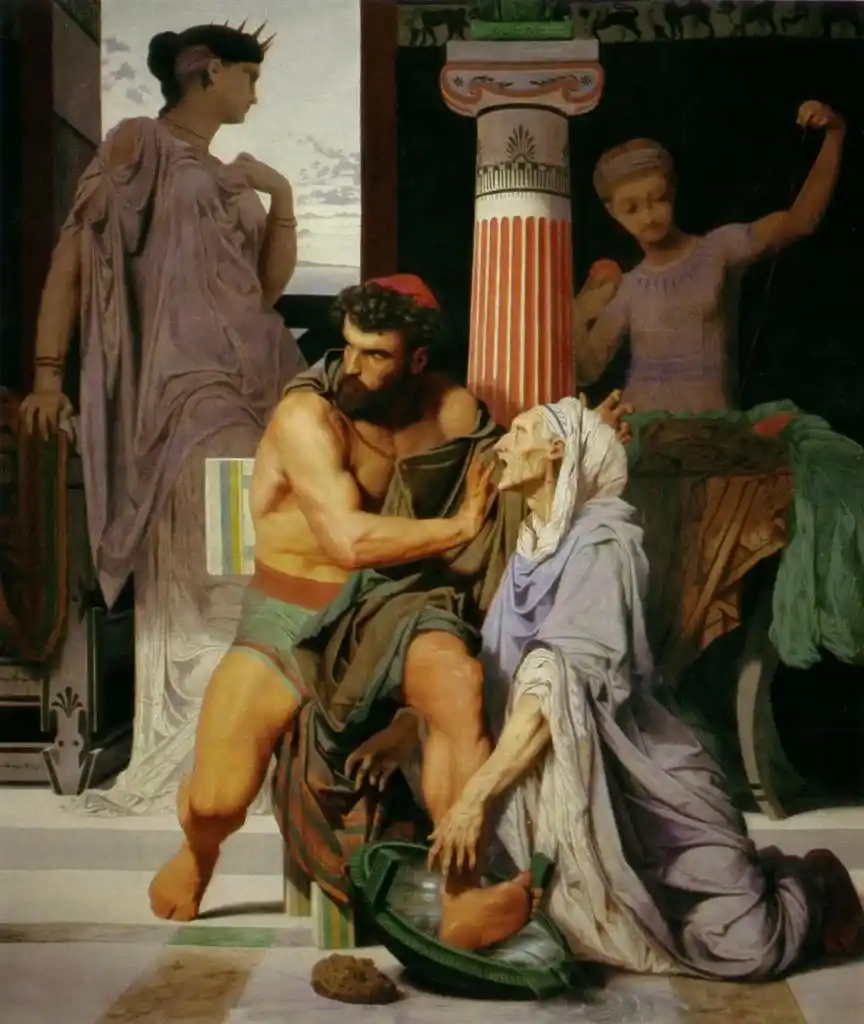
Watching Christopher Nolan’s The Odyssey, I was struck by an ancient tradition. When Odysseus returns home disguised as a stranger, the elderly Eurycleia washes his feet as an act of hospitality and recognizes him by an old scar.
More than 2,500 years after Homer told the story, the scene reminds us that caring for another person’s feet once represented something profound: welcome, service, and human connection.
Religion takes symbolism even further.
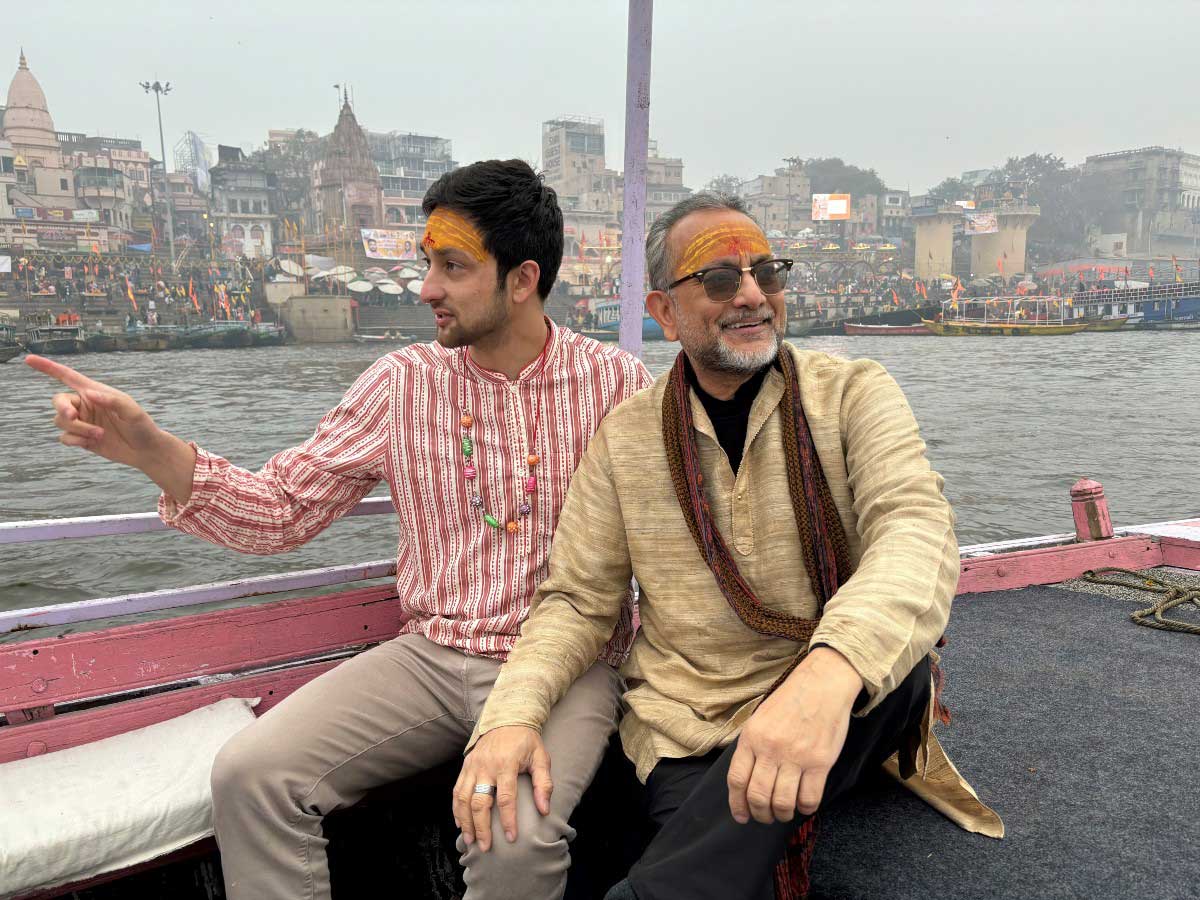
In Hindu traditions, touching the feet of parents, elders, and spiritual teachers—charan sparsh—expresses humility and respect. In devotional traditions, the “lotus feet” of the divine are also a powerful symbol of reverence and spiritual refuge.
Christianity gives us one of the most powerful images of servant leadership I know. In the Gospel of John, Jesus kneels and washes his disciples’ feet, then asks them to serve one another as he has served them.
Think about that image: leadership demonstrated not from a throne, but from the ground.
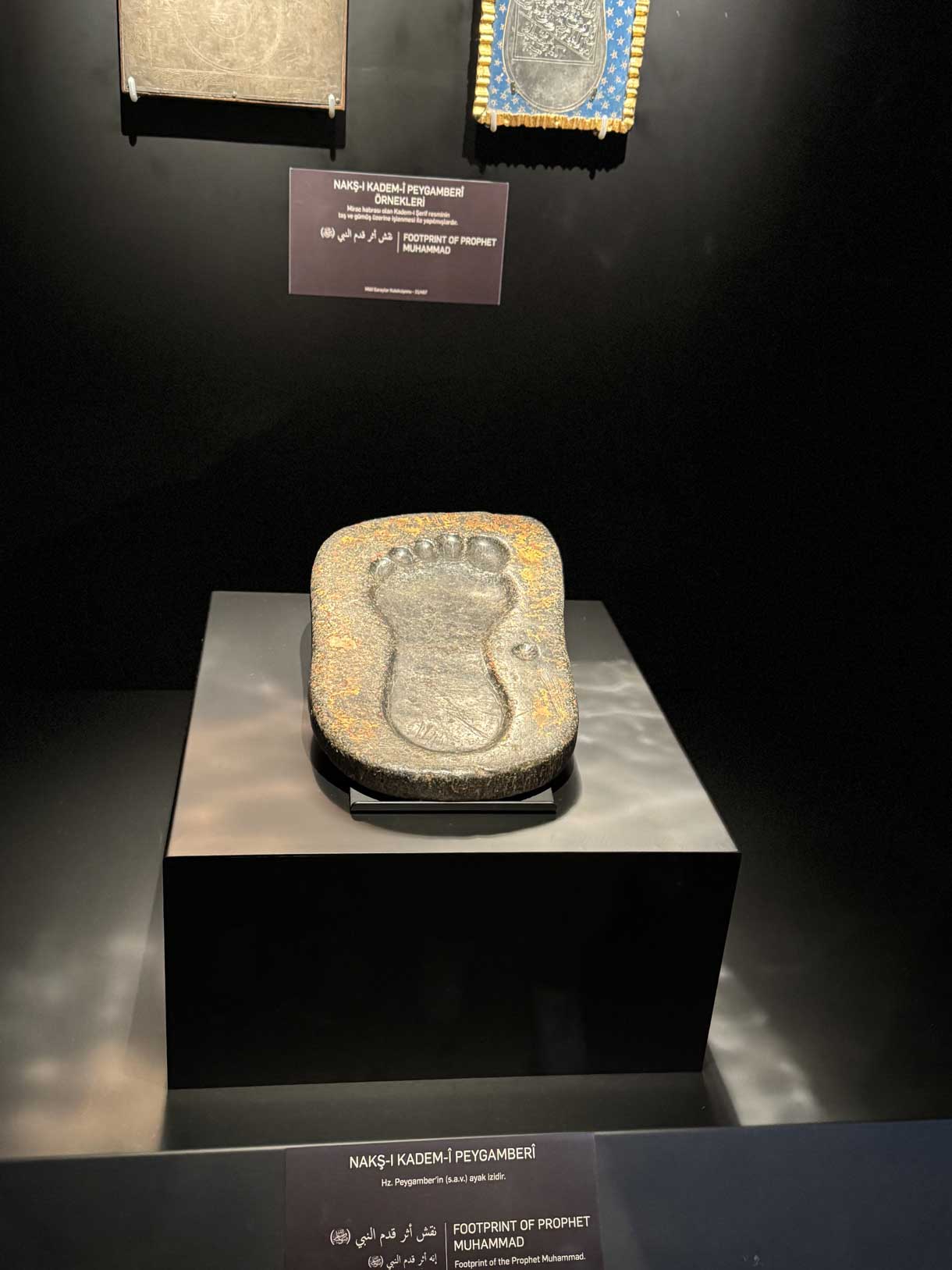
Islam connects the feet with purification. Before prayer, wudu involves ritual cleansing; the Qur’an specifically refers to washing the feet to the ankles. Removing one’s shoes before entering a mosque reinforces another idea: we don’t enter every space in exactly the same way we walk through the ordinary world.
Buddhist traditions have long depicted the Buddha’s footprints, or Buddhapada, as symbols of his presence and the path he left others to follow.
And in the Hebrew Bible, when Moses encounters God in the burning bush, he is told to remove his sandals because the ground on which he stands is holy.
Different religions. Different theology. Different practices.
Yet feet repeatedly appear in connection with humility, cleanliness, reverence, service and life’s journey.
Where I Learned to Look Down
Travel made some of these traditions feel much more real to me.
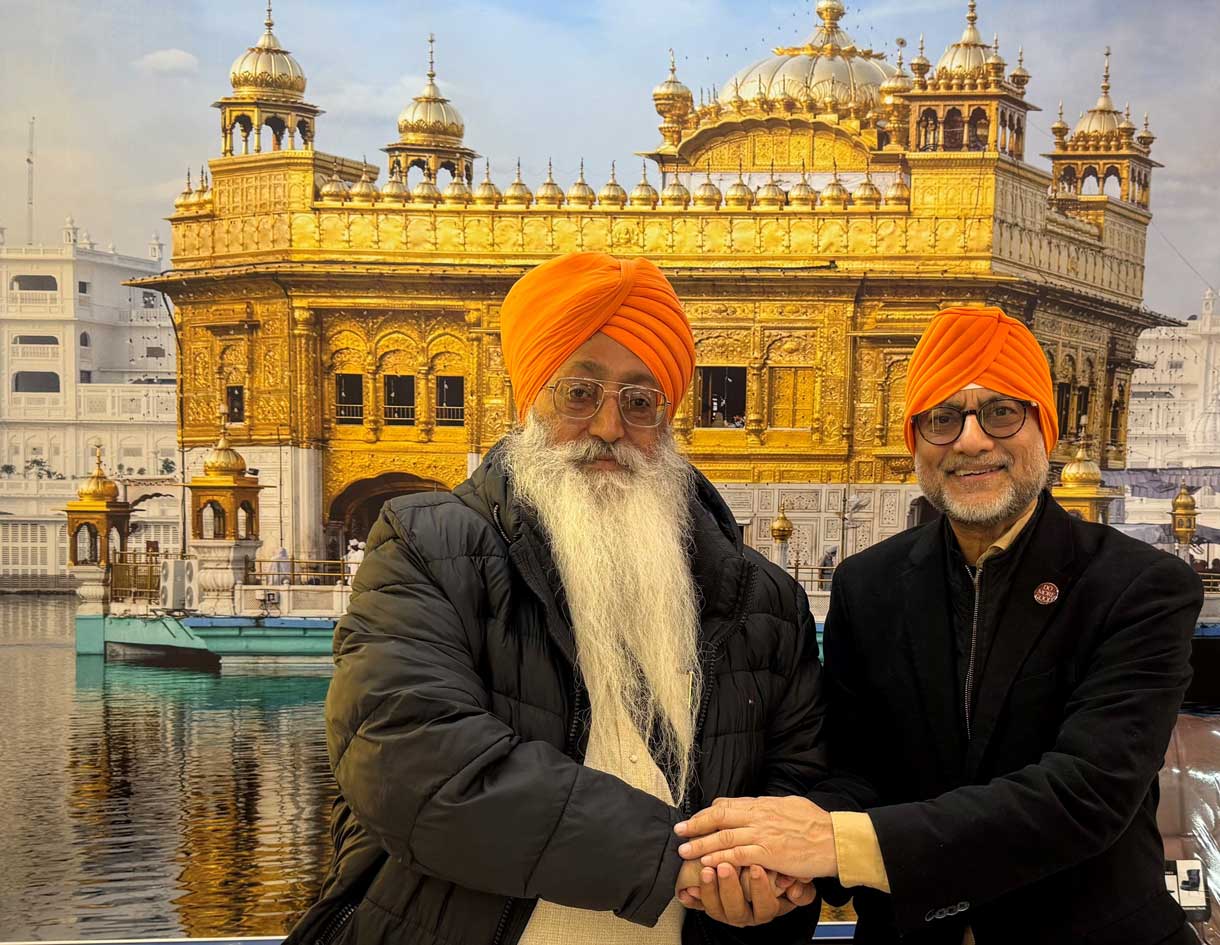
At the Golden Temple in Amritsar, I removed my shoes and washed my feet before entering the complex.
On my second day, I went a little further: I walked barefoot from my hotel to the temple.
I don’t recommend following my example.
My spiritual intention may have outweighed my podiatric judgment. My feet, for the record, filed a formal complaint.
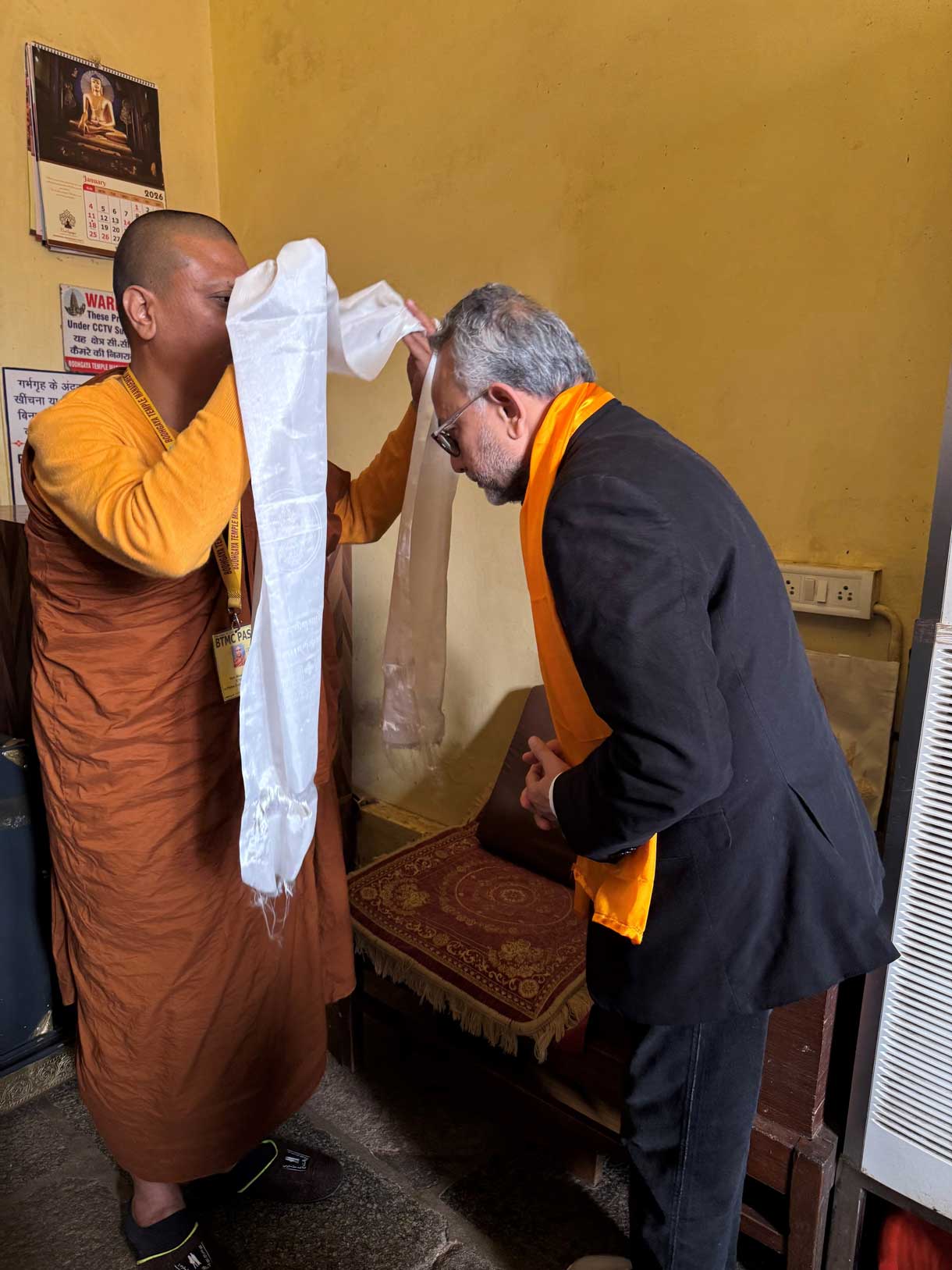
At Bodh Gaya, where the Buddha attained enlightenment, I removed my shoes again. As a guest of the head monk, I was provided special footwear in one area. Something as ordinary as a pair of shoes suddenly made me more conscious of where I was standing.
My travels have taken me into churches, synagogues, mosques, temples and monasteries. Their beliefs and rituals differ enormously. But sacred spaces often ask something similar of us: slow down, become conscious of where you are, and show respect.
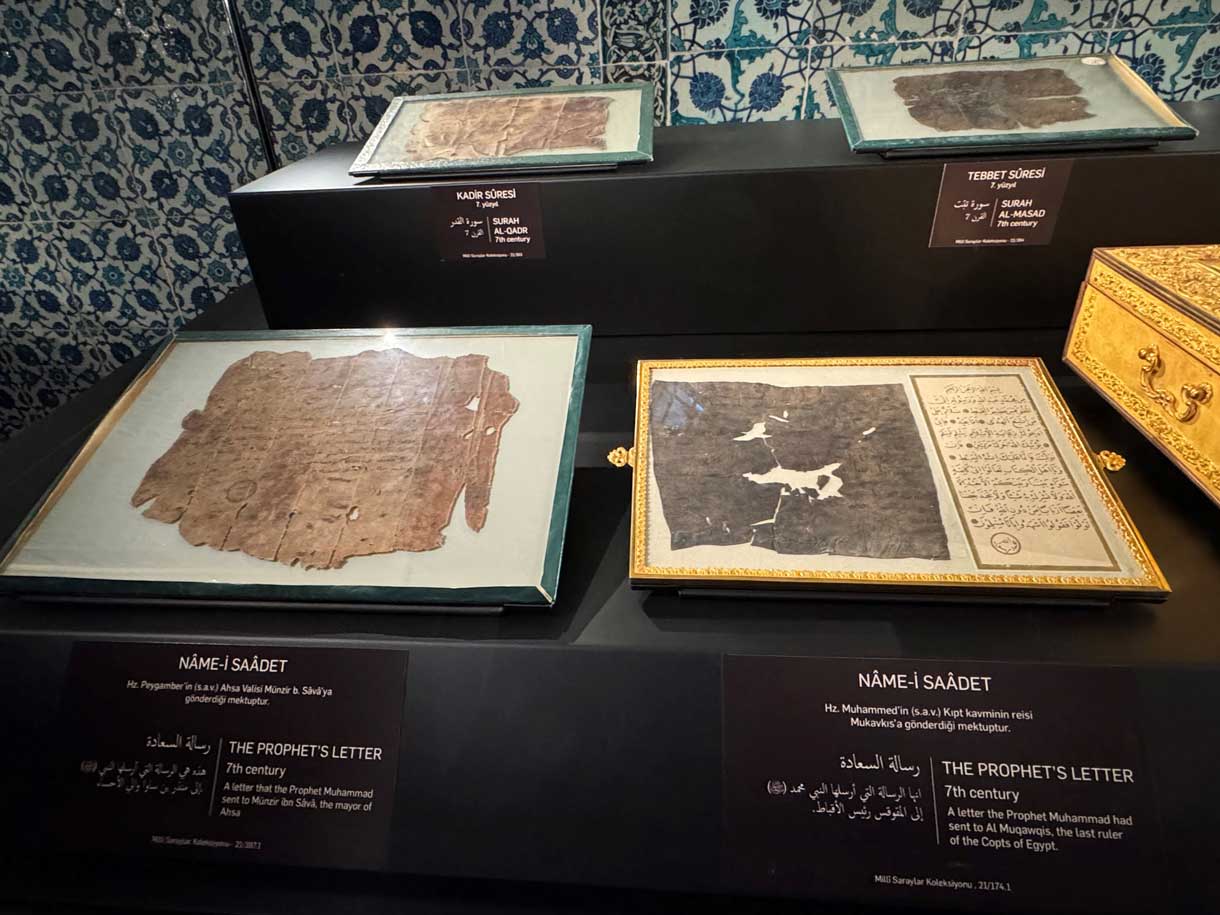
Inside the Chamber of the Holy Relics at Istanbul’s Topkapı Palace, surrounded by objects traditionally associated with the Prophet Muhammad and the early history of Islam, I noticed something happening to me physically: I slowed down.
Sacred spaces can do that to us, whether we are religious or not. They invite us to become more conscious of our surroundings, more respectful of those around us, and perhaps more aware that we are part of something larger than ourselves.
So Why Do We Ignore Our Feet?
All of this brought me back to my original question: Why do so many of us men pay so little attention to our feet?
We shower. We shave. We get haircuts. We think about what shirt goes with what jacket. Some of us spend hundreds of dollars on shoes, and then largely ignore what’s inside them.
I’m generalizing, of course. But I suspect I’m not the only man who grew up thinking that grooming somehow ended around the ankles.
Yet think about what we ask of our feet. We stand. We walk. We travel. We exercise. They quietly carry us through almost every part of our lives.
Until they hurt.
Nothing sharpens one’s gratitude for a pair of feet quite like stepping on a stray Lego at 2 a.m.
Perhaps that’s what all these traditions and travels made me see differently. These two rather unglamorous parts of our anatomy carry us through childhood homes and unfamiliar cities, airports and offices, places of worship and hospital corridors, toward people we love, and sometimes away from people and places we have lost.
So these days, I’m trying to pay my feet a little more attention.
It took religion, travel, Homer, and more than six decades for me to look down and appreciate what had been carrying me all along.
My mother, apparently, figured this out years ago.